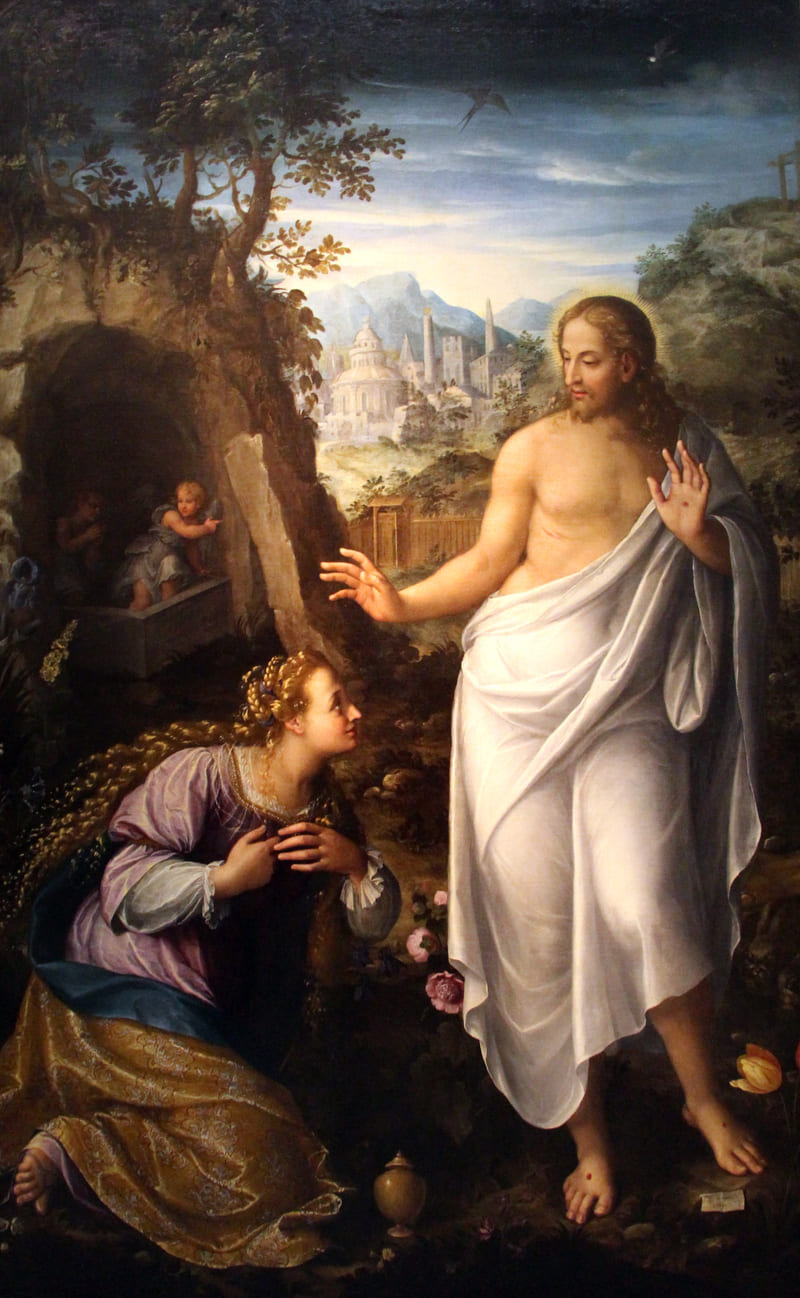
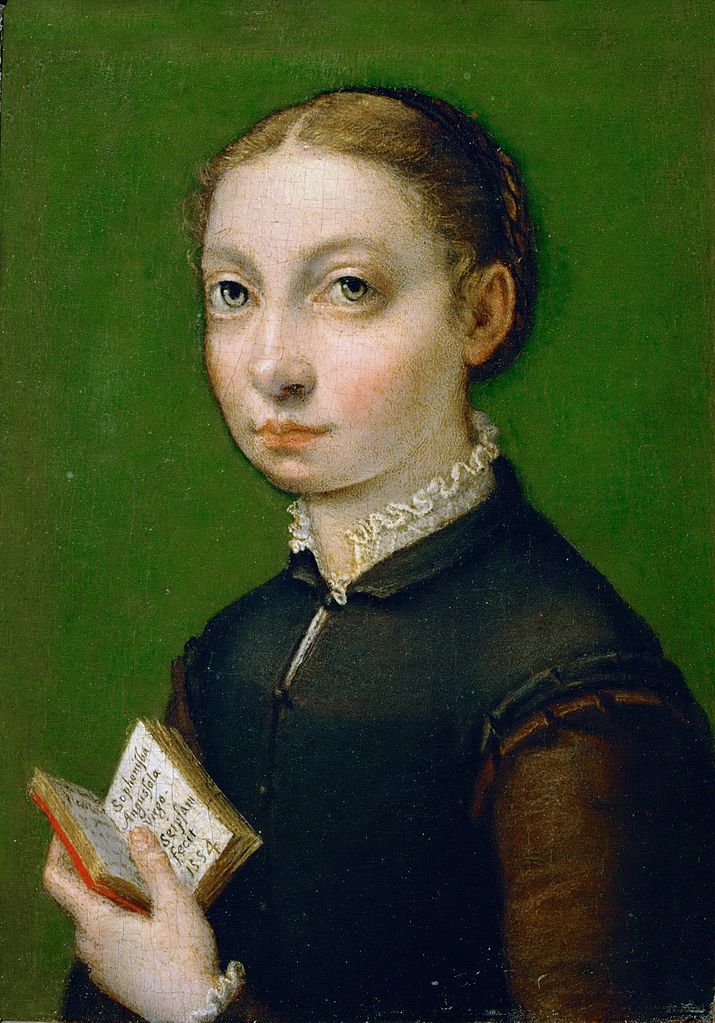
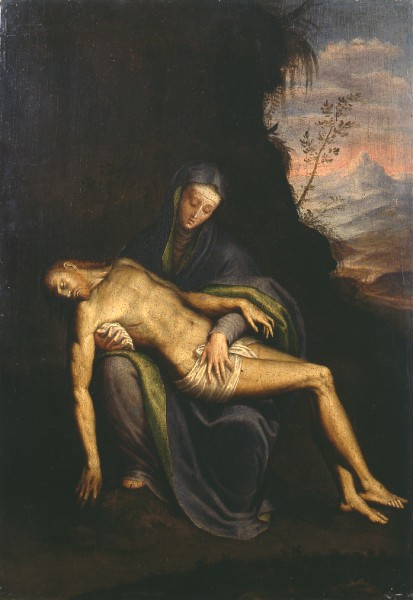
Fede Galizia (1578-1630) was an Italian painter who broke barriers in the male-dominated art world of the 16th century. Born into a family of artists, she was fortunate to receive artistic training—rare for women at the time. By the age of seventeen, Galizia was already taking portrait commissions, and by twenty, her works were internationally recognized. Her naturalistic approach to portraiture, exemplified in her painting of Jesuit historian Paolo Morigia, helped her gain attention early on.
Galizia is perhaps best known for revolutionizing the still life genre, which was still in its infancy. Unlike earlier symbolic depictions, her still lifes focused on the careful observation of everyday objects with unflinching realism. This modern approach, which zoomed in on the individual beauty of each object, foreshadowed later developments in the genre by artists like Cézanne.
While her noble background provided her with a privileged position compared to most women, she still faced gendered restrictions. Galizia could not own a workshop or receive public commissions, and her work often remained confined to private spaces. Nevertheless, her attention to detail and quiet reverence for everyday objects elevated the still life genre, blending art and science. Galizia’s legacy endures as a pioneering female artist who left an indelible mark on art history despite the constraints placed on her.
Further Readings on Gender, Class, and Art
+ Linda Nochlin, Why Have There Been No Great Women Artists? (1971), ArtNews
+ Griselda Pollock, Vision and Difference: Feminism, Femininity and Histories of Art (1988), Routledge
+ Whitney Chadwick, Women, Art, and Society (1990), Thames & Hudson
+ Kimberlé Crenshaw, Demarginalizing the Intersection of Race and Sex: A Black Feminist Critique of Anti-Discrimination Doctrine, Feminist Theory and Antiracist Politics (1989), University of Chicago Legal Forum